The Professional Chef's(r): Techniques of Healthy Cooking

CHEAP,Discount,Buy,Sale,Bestsellers,Good,For,REVIEW, The Professional Chef's(r): Techniques of Healthy Cooking,Wholesale,Promotions,Shopping,Shipping,The Professional Chef's(r): Techniques of Healthy Cooking,BestSelling,Off,Savings,Gifts,Cool,Hot,Top,Sellers,Overview,Specifications,Feature,on sale,The Professional Chef's(r): Techniques of Healthy Cooking The Professional Chef's(r): Techniques of Healthy Cooking

The Professional Chef's(r): Techniques of Healthy Cooking Overview
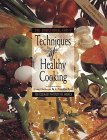
Now with a new updated foreword, this paperback version of The Professional Chefs Techniques of Healthy Cooking is an exciting compendium of nearly 300 easy-to-follow recipes that demonstrate that good nutrition is the product of good food, carefully selected and properly prepared. Using techniques perfected by the chefs of The Culinary Institute of America, this book shows you how to make nutrition a natural part of your cooking each and every day.
The Professional Chef's(r): Techniques of Healthy Cooking Specifications
Books on nutritious eating abound, but none seem as comprehensive as The Professional Chef's Techniques of Healthy Cooking. Prepared by the Culinary Institute of America, the book is addressed to chefs who may require grounding in nutritional principles as well as representative recipes to help them "cook healthy." It's hard to imagine anyone, however, who wouldn't benefit from--and enjoy perusing--this trove of sophisticated yet approachable material. With more than 400 of the Institute's recipes, 200 color photos, and a cornucopia of useful information, including charts ("Definitions of Nutrient Claims," for example, helps readers understand terms like lite or low fat), the book is a definitive, up-to-date food and nutrition guide.
The book's largest section contains the recipes--each with detailed nutritional analysis--for a wide selection of dishes. These range from chef's pantry items like pesto, duxelles, and yellow pepper oil and salads--Grilled Garlic Shrimp with Radish Salad is a tasty example--to breads, deserts, and beverages. Though uncomplicated, these large-scale, ingredients-specified-by-weight formulas will be most useful to professionals. Universally valuable, however, is the introductory material, which explores, among other topics, the language of nutrition, elements of flavor, cooking with less fat, and agricultural issues such as organic farming, free-range poultry, and plant biotechnology. "A Case Study in Flavor Deconstruction," which atomizes the appeal of a sample dish, is a fascinating reminder that the foundation of all good eating is sensual. Concluding with a cooking and nutritional glossary, the book is a welcome, obligatory addition to any home or professional kitchen library. --Arthur Boehm
